
By Krystal Moralee
Estate planning is one of those things many people know they should do—but it often stays on the to-do list for years. So when the Community Foundation held an Estate Planning Myth Buster Workshop, attendees were reminded just how important it is to have a plan in place for the future. Because planning for the inevitable can bring peace of mind, whether someone has modest savings or significant assets.
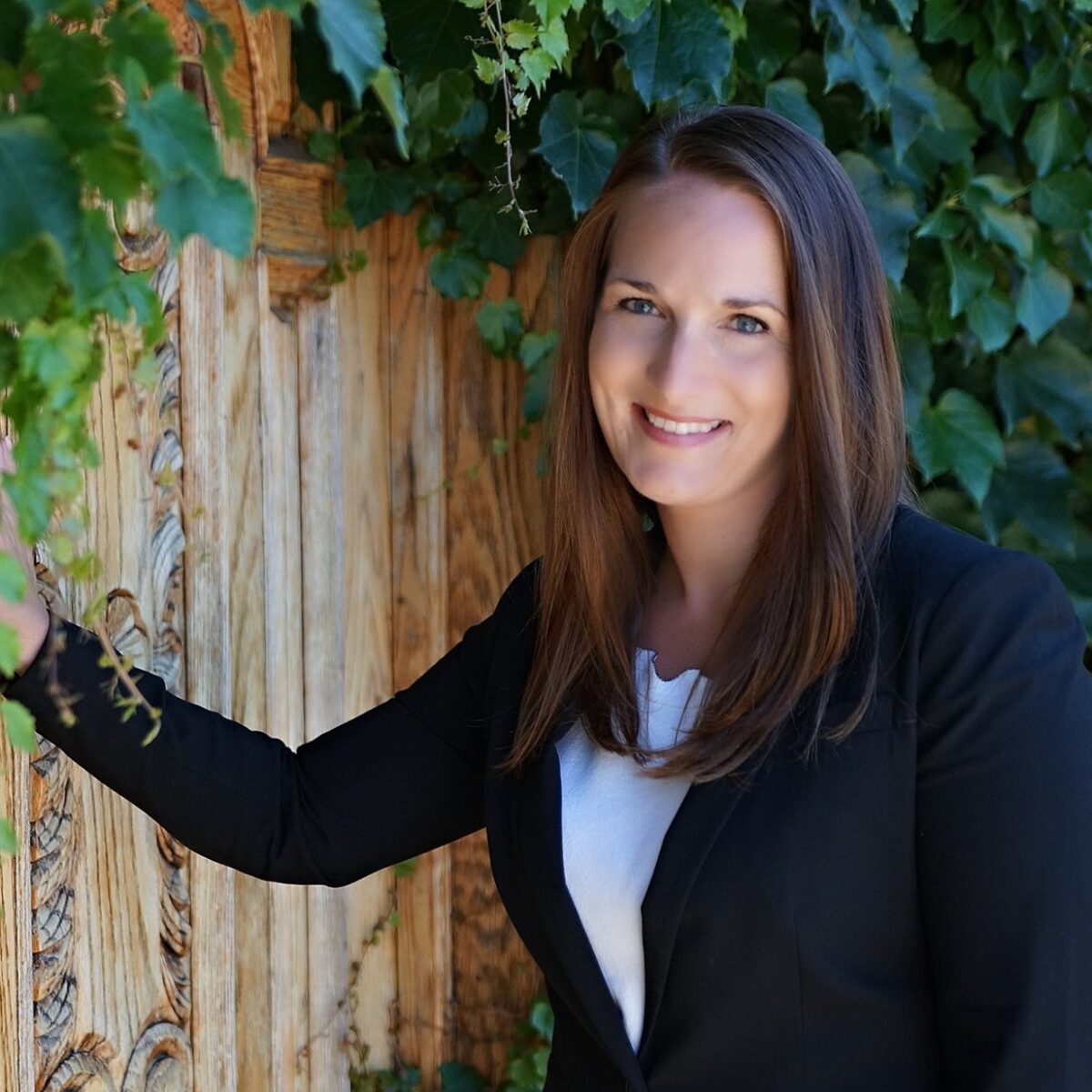
Local attorney and Community Foundation Board Trustee Janal Mossett served as a panelist at the workshop, sharing guidance to help attendees understand the steps they can take to protect their assets from Uncle Sam, because no one likes to pay unnecessary taxes, and ensure their wishes are documented properly.
“Estate planning is something that sits on people’s ‘to-do list’ far longer than it should, which is understandable because it requires thinking about difficult situations and making decisions that are not always easy,” said Mossett. “But having a clear, written plan in place is one of the most meaningful steps you can take for the people you care about.”
Without a plan in place, there’s a risk of lengthy legal proceedings required to sort out an estate, adding stress to a family that is already dealing with the loss of a loved one. A solid plan offers clarity and simplifies the process. It also helps ensure that a person’s hard-earned assets ultimately end up where they intended.
Common Reasons People Delay
“Many people delay estate planning because they feel overwhelmed, are not sure where to start, or believe they do not have enough assets to justify creating a plan,” said Mossett. “In reality, a good estate plan is about much more than distributing assets. It ensures your wishes are honored, minimizes stress for your loved ones, and keeps important decisions in the hands of the person making the estate plan instead of leaving it to the law.”
Planning isn’t a one-and-done event, either. A plan should evolve as life changes, and it isn’t only about what happens after you’re gone. It can, and should, include decisions about healthcare, finances, and guardianship while you are alive, should something unforeseen occur.
“Estate planning is something that sits on people’s ‘to-do list’ far longer than it should.”
— Janal Mossett, Attorney
A well-crafted estate plan avoids unnecessary costs and ensures your wishes are honored. Key steps include putting your plan in writing, avoiding “do-it-yourself” shortcuts that may not comply with state law, and openly communicating your intentions with heirs and beneficiaries. Experts also recommend reviewing your plan regularly, particularly after major life events like marriages, births, or new financial circumstances. By taking these precautions, you can prevent confusion, conflict, and unintended consequences for your loved ones.
Getting Started
Starting your estate plan doesn’t have to be complicated. Begin by taking inventory of your assets, debts, and responsibilities. Identify your team of advisors, which may include attorneys, financial planners, and tax professionals. Clarify your goals, whether that’s protecting loved ones, supporting causes you care about, or managing healthcare decisions.
Once you have your plan in place, make a habit of reviewing and updating it regularly to ensure it remains current and aligned with your evolving priorities. Much like changing the batteries in your smoke detector when the clocks change, looking over your estate plan during an annual task such as preparing your taxes is a great way to make sure your affairs are in order.
Estate Planning Essentials
- Put your plan in writing
- Work with qualified advisors
- Communicate with heirs
- Review your plan regularly
“There are many things we can’t control in life, but estate planning is one of the things we can put in place, no matter how many assets we have, to make sure our goals are fulfilled the way we want them to be,” said Community Foundation Vice President Jackie Hanton. “That’s why we wanted to provide an opportunity for our community to learn about the tools they need to make their own plans for the future.”
Turning Your Plan Into a Legacy
For many people, estate planning is also an opportunity to reflect on the causes and communities that shaped their lives. The Community Foundation can help you to make meaningful contributions which reflect your values and create a legacy that continues to make a difference long after you’re gone.
Some donors want to support a cause important to them, like the arts, education or environment. Other donors are unsure where to begin, and it’s helpful to have a conversation about the options.
For those unsure about what to support, the Community Foundation helps connect donors with nonprofits and causes that reflect their interests and values. Some donors choose to focus their giving locally, while others extend their generosity to state or national organizations. Either way, the Community Foundation can help guide the process and ensure each gift makes a meaningful impact.
Planned gifts can also be simpler than many people expect. Some donors choose to direct their gift to an existing fund at the Community Foundation, while others establish a new fund to support causes they care about most. These gifts don’t require immense wealth—many donors simply designate a percentage, like 5%, of a retirement account or life insurance policy. Every gift, large or small, contributes to the collective good and helps strengthen the community for generations to come.
For those beginning to think about their own legacy, the Community Foundation is here to help make the process clear and meaningful.
For confidential guidance or help getting started, contact Jackie Hanton at jackie@stclairfoundation.org or (810) 984-4761.